LOS ANGELES, CA, June 24, 2026 /24-7PressRelease/ — Most federal employees are surprised to learn that their benefits package does not include short-term disability coverage. For USPS employees, that gap runs even deeper. Unlike other federal workers, postal employees are excluded from the federal paid parental leave program, leaving them without two of the most common benefits available in the private sector.
“USPS employees often come to me thinking their benefits are similar to what other federal workers have,” said David Quiett, Federal Benefits Advisor at Federal Employee Insurance Benefits. “In reality, they’re working without a safety net that most people assume comes with a government job. When a pregnancy complication or a surgery keeps them out of work, there’s nothing to replace their paycheck.”
The 2022 Postal Service Reform Act moved USPS employees into their own health benefits program, the Postal Service Health Benefits (PSHB) program, separating them further from the broader federal benefits structure. While the law addressed health insurance continuity, it did nothing to close the income protection gaps postal workers face.
When a USPS employee cannot work due to illness, injury, surgery recovery, or pregnancy complications, their options are limited to sick leave, annual leave, and donated leave through the leave share program. Each of these has significant limitations:
Sick leave accrues at just 13 days per year, which can quickly disappear during a serious illness or a complicated pregnancy.
Paid parental leave is not available to USPS employees. While other federal workers receive 12 weeks of paid parental leave under the Federal Employee Paid Leave Act, USPS employees are excluded. A postal worker who needs time off before or after delivery must use whatever leave they have saved or go without pay.
Leave Without Pay (LWOP) is often the only option left once accrued leave runs out. LWOP preserves employment status, but provides no income, leaving employees to cover daily expenses, medical bills, and household costs on their own.
FERS Disability Retirement does not fill this gap. That program only applies to long-term, permanent conditions and requires a lengthy approval process. Short-term medical events, which are far more common, are not covered.
“A USPS employee who has a C-section, a complicated recovery, or a pregnancy that requires bed rest can end up weeks or months without income if they don’t have their own coverage in place,” Quiett said. “That’s a serious financial risk, and it’s one that’s easy to plan for ahead of time.”
The good news is that private short-term disability insurance is available to USPS employees, and can be purchased outside of the federal benefits system. These policies replace a portion of income when a temporary medical condition prevents someone from working, covering situations such as surgery recovery, serious illness, pregnancy complications, and non-work-related injuries.
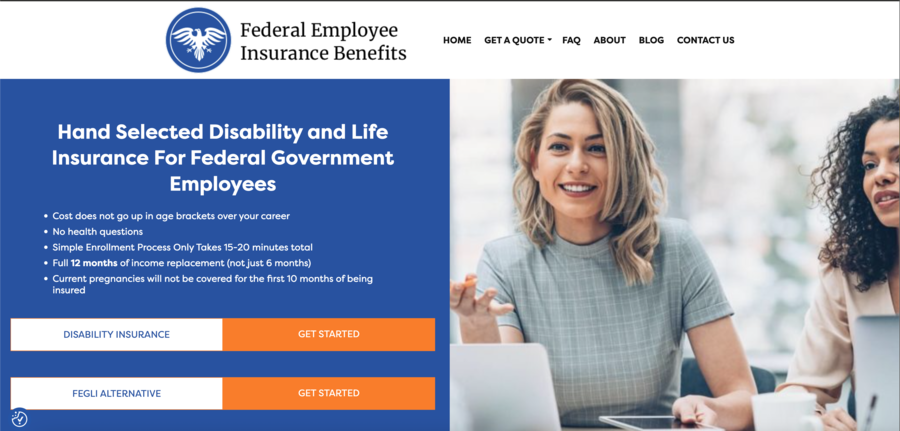
Quiett advises postal employees to explore their options well before a medical event occurs. More information on short-term disability for USPS employees is available on the Federal Employee Insurance Benefits website.
USPS employees who want to review their coverage options can fill out a short form at federalemployeeinsurancebenefits.com/disability-insurance.
About Federal Employee Insurance Benefits
Federal Employee Insurance Benefits is an independent insurance advisory firm serving federal, USPS, and VA employees nationwide. The firm specializes in helping government workers identify gaps in their federal benefits and finding supplemental coverage that fits their needs. David Quiett works directly with clients to review their options and build income protection plans tailored to their situation.
—
For the original version of this press release, please visit 24-7PressRelease.com here
Legal Disclaimer: The content on this page is syndicated from independent third-party providers. Kyrion Media makes no warranties or representations regarding the accuracy, completeness, legality, or reliability of the information, including text, images, videos, or licenses. If you are affiliated with this content or have any complaints, copyright concerns, or requests for removal, please contact us at retract@kyrionmedia.com with the specific URL of the content in question. We will review and address valid requests promptly.